
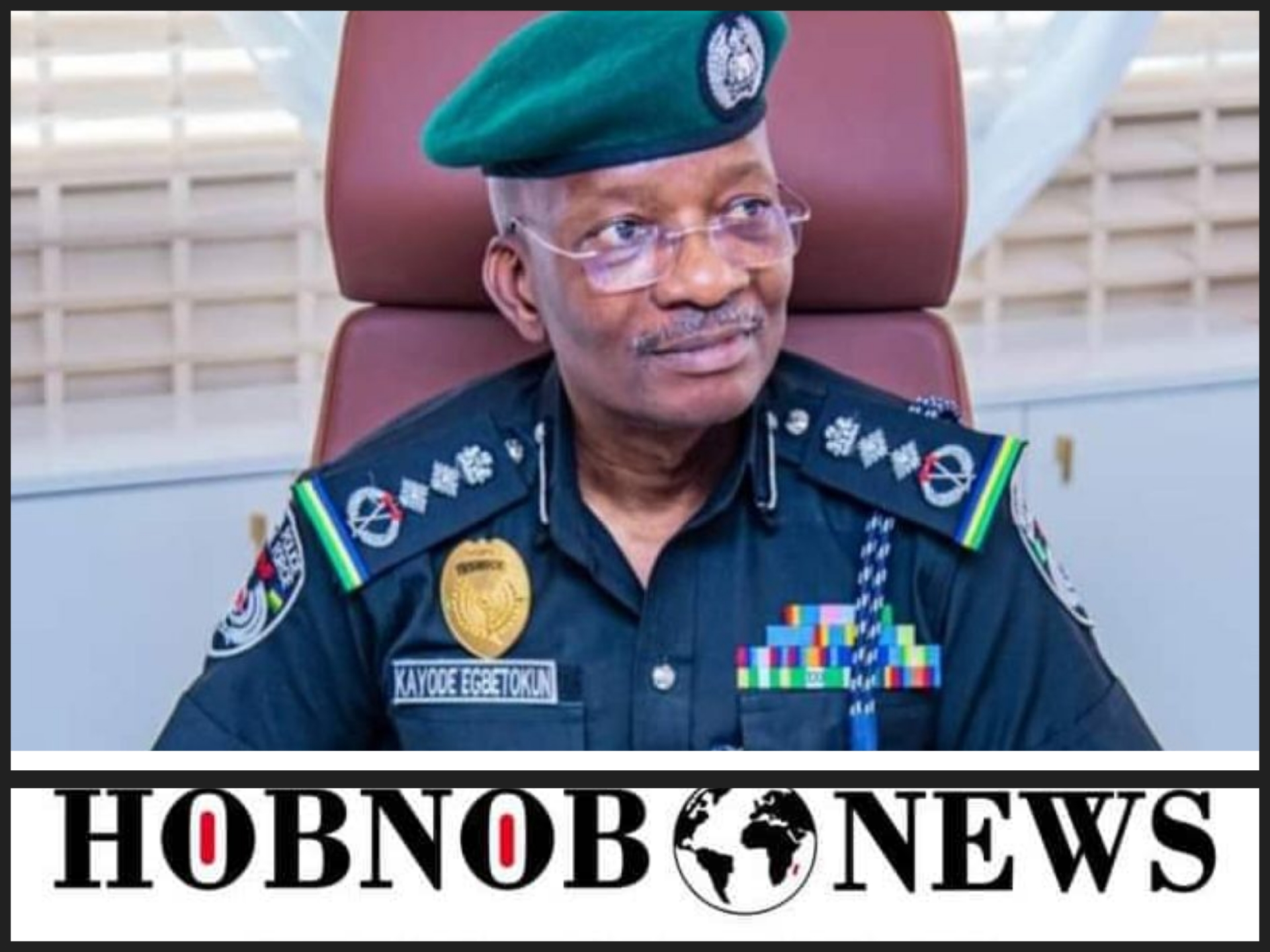
The Inspector-General of Police, Kayode Egbetokun, has strongly dismissed claims that the Nigeria Police Force plays a role in rigging elections, describing such allegations as “baseless and unfair.”
Speaking at the third National Democracy Stakeholders Summit in Abuja on Monday, Egbetokun, who was represented by the FCT Commissioner of Police, Adewale Ajao, reaffirmed the neutrality of the police during electoral processes.
“The idea that the police are involved in election rigging is pure imagination. We are not umpires. We do not count votes. Our responsibility is to safeguard the electoral environment while INEC handles collation and announcements,” he said.
The comments come amid continued public skepticism following the controversial 2023 general elections, where widespread concerns were raised about irregularities and violence during the voting process.
In the wake of those elections, President Bola Tinubu of the APC was declared the winner with 8,794,726 votes. His major opponents, Atiku Abubakar (PDP) and Peter Obi (Labour Party), who garnered 6,984,520 and 6,101,533 votes respectively, both rejected the results and cited electoral malpractice.
Despite the controversies, Egbetokun said the police have continued to strengthen professionalism through strategic inter-agency cooperation and regular training of officers.
“We’re committed to a policing model that reflects democratic values. Our renewed collaboration with INEC, civil society organisations, and the media is already producing positive outcomes in recent off-cycle elections,” he added.
On the Call for Civilian Firearm Ownership
Egbetokun also weighed in on calls by some stakeholders advocating for the right of citizens to bear arms as a response to Nigeria’s insecurity challenges.
“You cannot solve violence with more violence. Arming civilians will only worsen our security landscape. What we need is tolerance, dialogue, and stronger community surveillance,” he warned.
He emphasized that countries that have experimented with widespread civilian firearm ownership have not achieved lasting peace, urging Nigerians to consider the broader implications of such a policy.
Democracy Must Rest on Electoral Credibility – Stakeholders Warn
Also speaking at the summit, Dr. Kletsaint Akor, Chairman of the Proponent Council of the Nigeria Democracy Stakeholders Group, stressed the importance of electoral integrity to the survival of democracy in Nigeria.
“Elections are not the destination; they are the doorway. Without electoral legitimacy, governance becomes hollow and ineffective,” Akor said.
He noted that while reforms such as BVAS and electronic result transmission were introduced to improve transparency, the flawed implementation during the 2023 elections eroded public confidence.
Akor called for robust institutional reforms, including INEC’s financial independence, transparent appointment of electoral commissioners, and strict enforcement of sanctions for electoral violations.
Tinubu Administration Commended for Reform Agenda
The summit also featured remarks from Senator George Akume, Secretary to the Government of the Federation, who commended President Tinubu’s administration for driving bold reforms despite challenging economic conditions.
Represented by the Permanent Secretary for Economic and Political Affairs, Nadungu Gagare, Akume said the ongoing reforms are laying the groundwork for long-term national development and inclusive growth.
“This mid-term period is not just ceremonial. It represents our commitment to transparency and accountability in governance,” he stated.
The summit brought together top policymakers, security officials, civil society leaders, and the media in a joint dialogue on safeguarding Nigeria’s democratic process.

