
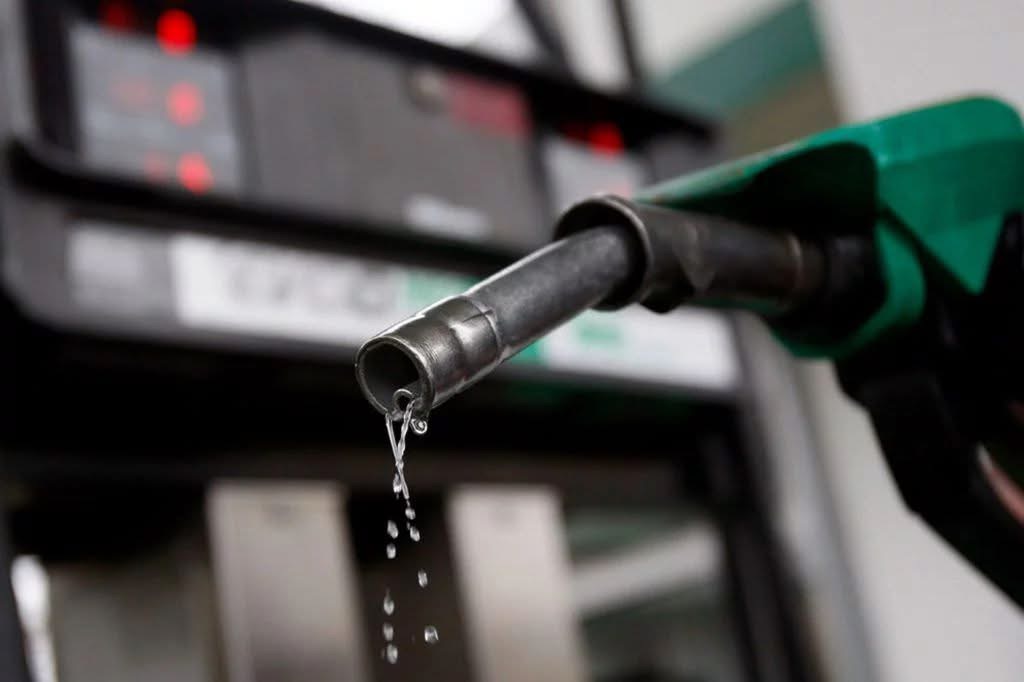
Petroleum products marketers across Nigeria’s capital, Abuja, have begun reducing the pump price of Premium Motor Spirit (PMS), popularly known as petrol, by at least ₦10 per litre in a bid to attract more customers and stay competitive in the liberalised downstream oil and gas sector.
Hobnob News Nigeria observed on Friday that major filling station chains such as Ranoil, Shafa, and AA Rano have adjusted their petrol prices downward from ₦910 to ₦900 per litre. The price reduction comes amid intensifying competition and consumer sensitivity to high fuel costs across the country.
Speaking on the development, the spokesperson of the Independent Petroleum Marketers Association of Nigeria (IPMAN), Chinedu Ukadike, attributed the price adjustment to the benefits of the ongoing liberalisation of the petroleum sector.
“The era where the government determines the price of PMS is gone. Price modulation is no longer done by the government but by demand and supply,” Ukadike told Hobnob News.
He noted that the market is now fully open to competition, where pricing decisions are dictated by commercial realities and market forces, not federal regulation. Ukadike previously predicted that petrol prices could dip further, possibly to ₦800 per litre, as more suppliers enter the space and supply becomes more consistent.
Currently, Nigerian National Petroleum Company Limited (NNPCL) retail outlets and Dangote Refinery distribution partners such as MRS, AP Ardova, Optima, and Bovas are dispensing petrol at prices ranging between ₦875 and ₦895 per litre in both Lagos and Abuja.
According to market sources, Dangote Refinery and NNPCL may introduce another round of price reductions after the upcoming Eid al-Adha celebration in a strategic move to remain competitive and boost market share.
While the modest drop in fuel price offers temporary relief for consumers, energy analysts caution that without consistent supply and improved local refining capacity, prices could fluctuate again depending on foreign exchange rates and international crude oil trends.
Nonetheless, the current trend marks a shift in Nigeria’s downstream sector, where private sector dynamics are beginning to shape the price landscape more than government control.
Hobnob News will continue to track fuel pricing trends and market developments across Nigeria.

