
A Personal Address on Governance, Public Health, and Citizens’ Rights in Edo State
Let me be clear: I fully support environmental sanitation. It is a civic responsibility and a public health necessity. However, I must draw the line when enforcement measures infringe on the rights of citizens. The Constitution of the Federal Republic of Nigeria guarantees freedom of movement, and that right cannot be suspended arbitrarily, not even for sanitation.
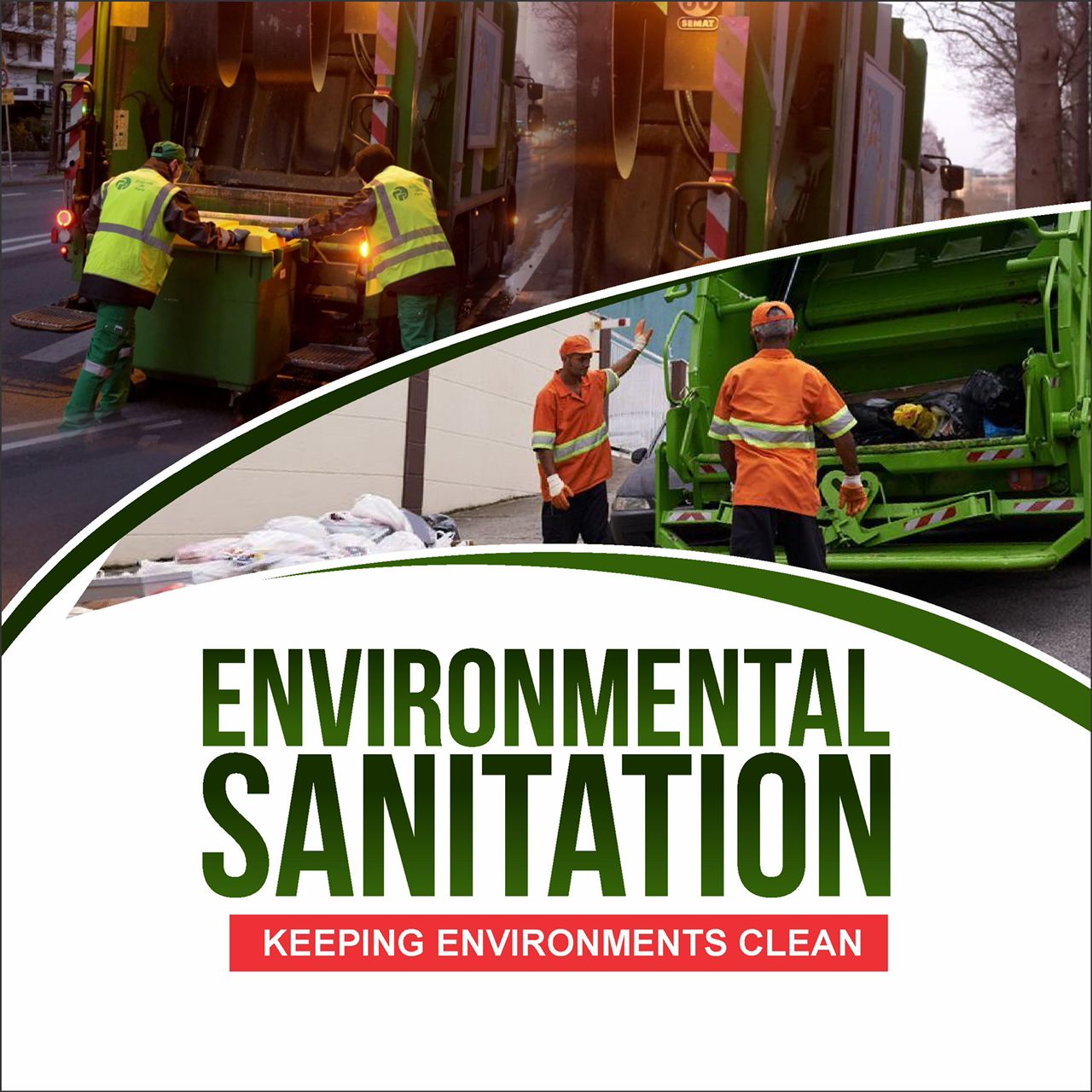
Every last Saturday of the month, the Edo State Government restricts movement and shuts down markets between 7:00 a.m. and 10:00 a.m. in the name of environmental sanitation. To many, this might appear harmless. But let’s be honest: there is no lawful basis for this practice. In fact, a 2018 ruling by the Edo State High Court struck down the Edo State Sanitation and Pollution Law of 2010. That court also declared the activities of the Edo State Waste Management Board unconstitutional. So what legal framework currently supports this restriction of movement? None.
We must stop confusing good intentions with legal authority. Yes, we need a clean Edo. But we also need governance that respects the rule of law. Sanitation and freedom of movement are not mutually exclusive. Both goals can be achieved if we adopt an inclusive, participatory approach.
Let people clean their surroundings. Let environmental officers do their job. But don’t lock people in their homes or shut down markets and roads without a valid legal basis. We can clean and move at the same time.
The real solution lies in massive civic engagement. Let’s fund public enlightenment campaigns. Let’s encourage voluntary compliance. You don’t build a clean state through fear. You build it through awareness and ownership.
I’m not blind to the environmental challenges we face in Edo State. Blocked drainages, indiscriminate dumping of refuse, increased flooding risks. These are serious concerns. I commend the government for prioritising sanitation. It’s crucial for disease prevention and for building modern urban spaces. But let’s do it the right way, within the boundaries of our Constitution.
I call on the Edo State House of Assembly to fast-track the new environmental sanitation bill currently under review. That bill, if properly crafted, can provide a legal and enforceable framework for future sanitation exercises. One that balances public health with constitutional freedoms.
We need neighborhood sanitation committees. We need more funding for waste infrastructure. We need incentives for community participation. Sanitation should be a community-driven initiative, not a state-imposed lockdown. People respond better to education than to coercion.
Let me be clear again: I am not here to discredit the government or politicise this issue. My comments are a governance critique rooted in objectivity. I’m simply asking us all, including those in power, to adhere to the Constitution even when implementing public interest policies.
We can have a clean Edo without sacrificing freedom. Governance must be both effective and lawful. That is the kind of leadership I believe in and that I stand for.
I urge all Edo citizens to take environmental responsibility seriously. Sanitation is not just the government’s duty. It is ours as well. We cannot build a better society by pointing fingers alone. Cleanliness begins with each of us, our homes, our streets, our markets. Let’s be accountable.
My message is simple. Development and democracy must walk hand in hand. Constitutional rights are not obstacles to progress. They are the foundation of it. Environmental sanitation is essential. But so is freedom. We don’t need to choose one over the other. Let people clean and live. Rights must never be sacrificed on the altar of executive convenience.
— Dr. Dennis Osahon Aikoriogie
Edo 2024 Governorship Candidate
Economist and Public Affairs Analyst

