

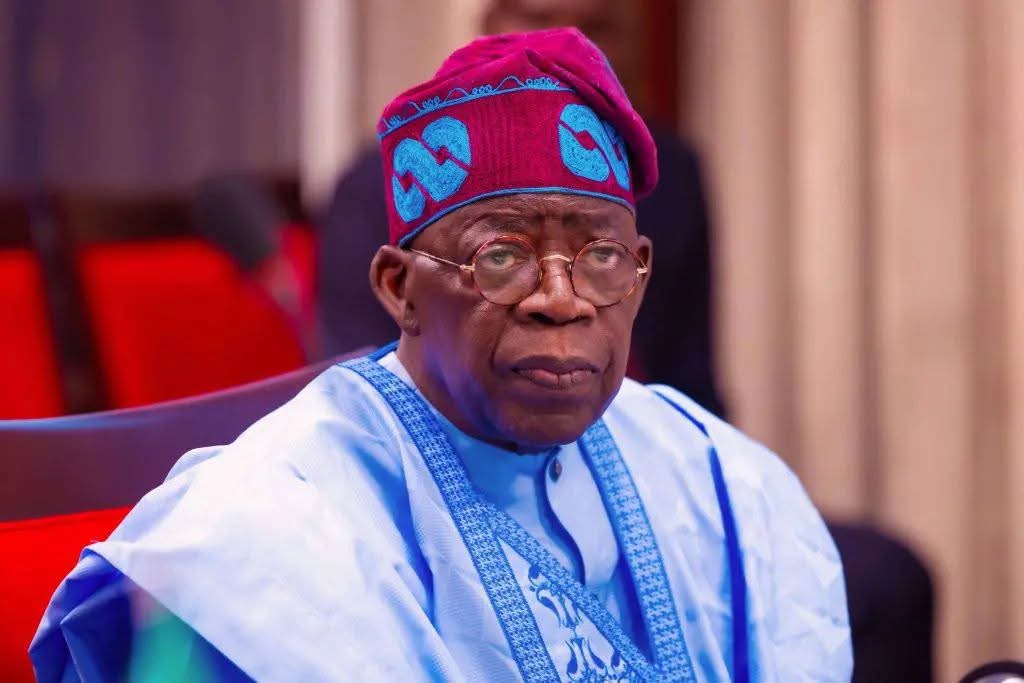
A storm of criticism has followed President Bola Ahmed Tinubu’s second anniversary address to the nation, as Nigerians, opposition leaders, civil society groups, and socio-cultural organizations rejected the administration’s self-assessed “high performance” claims. At the center of the criticism is a growing sentiment that the government’s policies have intensified hardship, widened inequality, and failed to deliver the promised “Renewed Hope.”
Prominent among the voices of discontent is the apex Igbo socio-cultural group, Ohanaeze Ndigbo, which issued a scathing assessment of the Tinubu-led administration, accusing it of incompetence, tribal favoritism, and corruption. “President Tinubu’s two-year scorecard is heavily tainted by the incompetence and corruption of his appointed officials,” said Mazi Okechukwu Isiguzoro, the group’s National Deputy President.
Ohanaeze Rejects “Fruitless Economic Policies,” Cites Rising Hardship
In a statement released in Abakaliki, Ohanaeze Ndigbo condemned the government’s handling of the economy, asserting that it has left ordinary Nigerians in the grip of hunger and hopelessness. The group cited “fruitless economic policies” and blamed Tinubu’s cabinet, many of whom they allege are appointed based on ethnic considerations rather than competence.
“His government has embraced Yorubanisation at the expense of national unity,” Isiguzoro stated, while calling for urgent cabinet reshuffles and an end to ethnically skewed appointments. However, he singled out Minister of Works Dave Umahi and FCT Minister Nyesom Wike for praise, citing their tangible contributions to infrastructure and federal road development.
Ohanaeze went further, urging Tinubu to address longstanding imbalances by creating two new states in the South-East and incorporating ethnic and religious data in the upcoming national census. It warned that failure to address these issues may lead to significant political realignments ahead of the 2027 general elections.
“The Nigerian people expect transformative leadership. If that expectation continues to be unmet, the political landscape may shift dramatically by 2027,” the group warned.
ADC Candidate: Nigerians Are Worse Off Under Tinubu
From the opposition front, John Chuma Nwosu, the African Democratic Congress (ADC) candidate for the Anambra gubernatorial race, dismissed Tinubu’s anniversary speech as “vacuous and disjointed.”
In his response, Nwosu characterized the administration’s policies as “knee-jerk reactions,” with devastating impacts on fuel, food, transport, and healthcare costs. He cited a widespread loss of purchasing power and a devalued naira, accusing the government of plunging the country into “progressive decline.”
“Most Nigerians are not living anymore. They are barely surviving,” Nwosu lamented. He narrated a citizen’s reaction to current hardship: “Under Tinubu, my family and I are no longer trying to make ends meet; we are only trying to make ends see each other from a distance.”
He accused the government of planning for re-election rather than addressing the immediate needs of the people and called for a protest vote in 2027 to hold the administration accountable. “That’s democracy,” he declared.
Civil Society Groups Call for Mass Action, Condemn “Propaganda”
At the International Press Centre in Lagos, the #EndBadGovernance (EBG) Movement described Tinubu’s performance claims as “propaganda” and announced plans for a June 12 mass protest against what it termed “anti-people policies.”
Speaking on behalf of the group, Hassan Taiwo ‘Soweto’ and Oloye Adegboyega-Adeniji criticized the administration for allegedly indebting the country through IMF and World Bank loans, which they claim were never approved by Nigerians.
“From day one, Tinubu has imposed policies like oil subsidy removal without public consent. His first act of dictatorship was the petrol price hike,” Soweto stated. EBG also slammed the government’s healthcare claims, questioning Tinubu’s frequent medical trips abroad while the country’s health system remains underfunded.
Civil rights activist Christiana Phillips from the JDPC Lagos said, “Nigerians are not happy. What we see is a political class that gaslights and brainwashes the people.” She stressed the need for justice as a prerequisite for peace.
Isa Oyetunji of the CDHR echoed these concerns, condemning the arrest of peaceful protesters and calling for solidarity ahead of the June 12 rally.
Worsening Insecurity, Repression, and Debt Crisis Highlighted
Meanwhile, youth-focused groups such as the National Youth Stakeholders Forum (NYSF), Joint Action Front (JAF), and Youth Arise Movement (YAM) issued coordinated statements slamming the Tinubu administration for its failure to secure the country and for what they described as a “reckless borrowing spree.”
The NYSF decried ongoing violence and kidnappings in states like Benue, Plateau, and Zamfara, stating that the federal government’s silence equates to a “dangerous endorsement of terror.” The group urged the President to declare a tactical emergency on insecurity.
JAF criticized the prolonged detention of citizens arrested during anti-hardship protests last year. “Charging peaceful protesters with treason is an assault on democracy. We demand their immediate release,” it said.
JAF also described Tinubu’s two-year rule as a “monumental disaster” and called on labour unions to mobilize nationwide resistance against anti-people policies like fuel subsidy removal and naira devaluation.
YAM raised red flags about Nigeria’s rising debt profile, accusing the administration of borrowing $21.5 billion externally and N757 billion domestically within one year. “This is economic suicide. The government is selling off our children’s future,” YAM declared.
The group also demanded transparency over missing funds, citing unaccounted recovered assets worth nearly $1 trillion.
APC Blames Past Presidents, Defends Tinubu’s “Tough Decisions”
In sharp contrast to the chorus of criticism, the ruling All Progressives Congress (APC) defended Tinubu’s policies as necessary interventions to prevent national collapse. Speaking at a press conference in Abuja, APC National Publicity Secretary Felix Morka blamed past administrations for Nigeria’s current woes.
“Previous Presidents chose to postpone the doomsday. Tinubu was the only one bold enough to say ‘enough is enough,’” Morka said.
He acknowledged the hardship caused by fuel subsidy removal and currency reforms but insisted that the pain was a price for long-term recovery. Comparing the nation’s current state to a crawling child, he said, “Crawling is necessary to strengthen the legs before walking. Nigeria is in that stage now.”
Morka called for patience, expressing optimism that by 2027, most Nigerians would come to regard Tinubu as a “President of progress.”
As Nigeria marks two years under President Bola Tinubu, the divide between government rhetoric and public sentiment appears wider than ever. While the administration insists its policies are paving the way for national rebirth, critics point to rising inflation, worsening insecurity, economic inequality, and alleged mismanagement as signs of failure.
With civil society mobilizing for mass protests and the opposition rallying for accountability, Tinubu’s next two years may prove to be not only a test of policy but also of political survival in a deeply polarized nation.

