

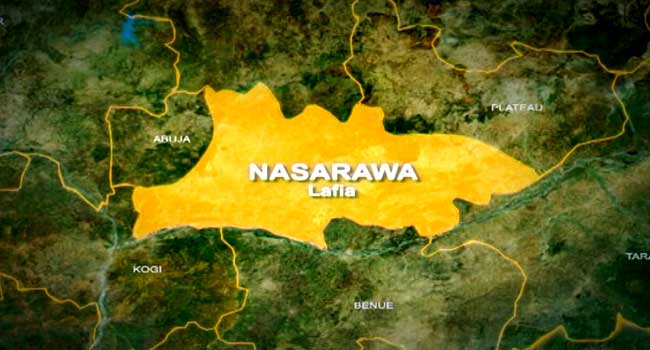
Obi LGA, Nasarawa — Tension is mounting in the Obi Local Government Area of Nasarawa State as Tiv farmers from several communities have staged a large-scale protest over what they describe as the forceful takeover of their ancestral farmlands by the state government for a proposed agricultural development.
The protesting communities — including Ayakeke, Osula, China, Shankodi, Udugh, Ikychiha, Utsuwa, and Daura — accused the government of land grabbing, marginalization, and violating their rights without prior consultation. They alleged that the land, which has been farmed by their ancestors for generations, is being seized under the guise of development.
Benjamin Tyoga, spokesperson for the farmers, said, “We were never consulted. This land is our legacy, our livelihood. If the government truly had our interest at heart, it would have met with us before stepping onto our land. Instead, we were kept in the dark while officials began inspections.”
He also criticized Governor Abdullahi Sule for requesting community delegates instead of addressing the farmers directly. “Why send representatives when we are the ones affected? This is nothing short of oppression,” Tyoga said, emphasizing that no amount of infrastructure can replace lost farmland.
Echoing Tyoga’s sentiment, protester Terhemba Iveren called the land the people’s identity and heritage. “This is more than property — it’s who we are,” she said.
Governor Sule, during a recent visit to the disputed land, stated that the project was meant for the benefit of the communities and promised that compensation would be provided for those with economic trees. He also asserted that all land legally belongs to the state government.
However, skepticism remains high among community elders and residents. Iorliam Aondofa, an elder, demanded a proper town hall meeting, saying, “The governor must meet the people face-to-face. Let everyone speak. That’s what democracy demands.”
Several farmers also reported that no official notice was given before survey work began on their land. “They just showed up, saying it’s a government project. That’s not transparency,” said youth leader Terver Gbakough.
Comrade Isaac Gbande, a land rights activist, warned that the government’s approach risks long-term conflict. “This is not just a development issue; it’s a matter of human rights. Displacement without free, prior, and informed consent will only lead to resistance,” he cautioned.
The situation remains tense as the Tiv communities continue to demand fair treatment, dialogue, and respect for their ancestral rights.

