

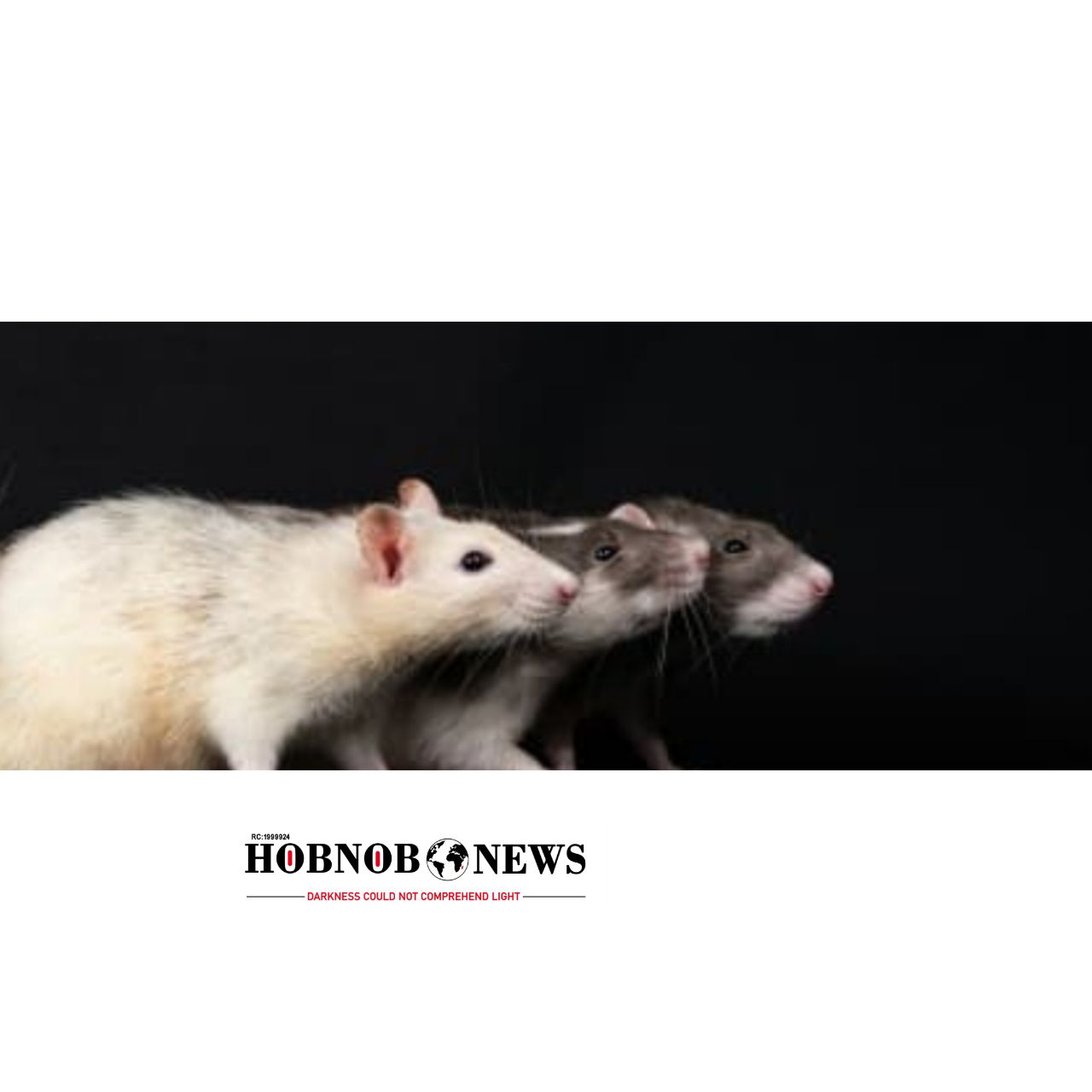
Workers at the Hinkley Point C nuclear power plant in the UK have raised concerns over a rat infestation, which has been causing disruptions at the site and sparking calls for immediate intervention. The issue has brought attention to the challenges faced by nuclear facilities, despite ongoing assurances about the safety of these plants.
Hinkley Point C, a major energy project in Somerset, has been plagued by rats, prompting health and safety issues. The Unite and GMB trade unions representing the workers raised alarms in early April, warning EDF, the French energy company developing the plant, that the situation was worsening. According to the unions, the rodents were “everywhere,” and their growing numbers had created a health risk for the workers on site.
One worker described the situation, saying, “They’re all over. You see them just sat there, looking at you. It is worse near the canteens, where I guess it started. But they are everywhere now.” Another source mentioned that, “The more men working on the site, the more rubbish on the site – and the canteens are not clean either. It has just become worse over time.” The problem has been exacerbated by the large construction workforce, which has led to more waste and less attention to cleanliness, particularly around food areas.
The rat infestation has led to safety concerns, especially since Hinkley Point C is a significant nuclear energy project intended to supply power to approximately 6 million UK homes. Despite the ambitious plans, the project has faced delays, cost overruns, and now issues related to vermin. Once completed, it is expected to contribute 7 percent of the country’s electricity needs, with job creation expected to reach 15,000. However, the workers are facing ongoing challenges, including complaints about poor working conditions and low pay, possibly due to EDF’s financial constraints.
The presence of rats has also drawn attention to broader public perception issues surrounding nuclear energy. In recent years, nuclear power plants have been a subject of debate, particularly in light of incidents such as the Chernobyl, Three Mile Island, and Fukushima disasters. While EDF has acknowledged the rodent issue, it emphasized that the presence of vermin is not unusual at large construction sites. “As is common across all large construction sites, there will be occasions when the presence of vermin is noted. A specialist company has carried out a survey, and measures are in place to address the issue. We are committed to working alongside our trade union partners to provide the best environment for all of our workers,” said a spokesperson from Hinkley Point C.
EDF’s response highlights the steps taken to mitigate the problem, but the incident serves as a reminder of the challenges faced by the nuclear energy sector. While the issue of rats may seem trivial in comparison to the risks of nuclear accidents, it underscores the difficulties that come with maintaining a clean, safe, and efficient working environment on large-scale projects. It also brings into focus the broader issue of public perception regarding the safety of nuclear energy, especially as many countries look to reduce their reliance on fossil fuels and shift to cleaner energy sources.
Interestingly, the issue of rat infestations is not exclusive to Hinkley Point C. A similar problem occurred during the decommissioning phase of the Fukushima nuclear plant in Japan. In 2013, a short circuit in a switchboard at Fukushima was believed to have been caused by rats, according to the Tokyo Electric Power Co (Tepco). A dead rodent and burn marks were found near the power switchboard, and the outage shut down cooling systems for four spent fuel ponds. While this incident was not directly related to the reactors, it raised questions about the vulnerability of nuclear facilities to pests and other unexpected issues.
Despite these isolated cases, rats are not a common issue in nuclear power plants, largely due to the strict safety regulations enforced at these sites. The global nuclear industry has long been considered one of the safest, and the International Atomic Energy Agency (IAEA) continues to promote the idea that nuclear facilities are among “the safest and most secure facilities in the world.” The IAEA and the World Nuclear Organization emphasize that nuclear plants operate under stringent safety standards and regulations, which are designed to prevent accidents and ensure the safety of both workers and nearby communities.
The World Nuclear Organization further highlights that there have been only three significant accidents in the 60-year history of civil nuclear power generation, despite over 18,500 reactor-years across 36 countries. These accidents, which occurred at Chernobyl, Three Mile Island, and Fukushima, are often cited by critics of nuclear power as evidence of the risks involved. However, when compared to other energy industries, the record of nuclear energy is relatively safe, with far fewer incidents per unit of energy produced.
The ongoing development of nuclear power projects such as Hinkley Point C is part of a broader shift toward cleaner, more sustainable energy sources. As concerns about climate change and the environmental impact of fossil fuels grow, nuclear energy is seen by many as a key part of the solution. However, public skepticism remains, particularly in light of past accidents and incidents like the rat problem at Hinkley Point C.
Looking forward, nuclear energy is likely to play a significant role in the global transition to green energy, provided that the industry continues to improve safety standards and address public concerns. The ongoing development of small modular reactors and advancements in nuclear technology are expected to make nuclear power even safer and more efficient in the coming years. As public perception of nuclear energy begins to shift, with a growing recognition of its potential as a clean energy source, we may see a renaissance of nuclear power, with projects like Hinkley Point C at the forefront of this new era.

