
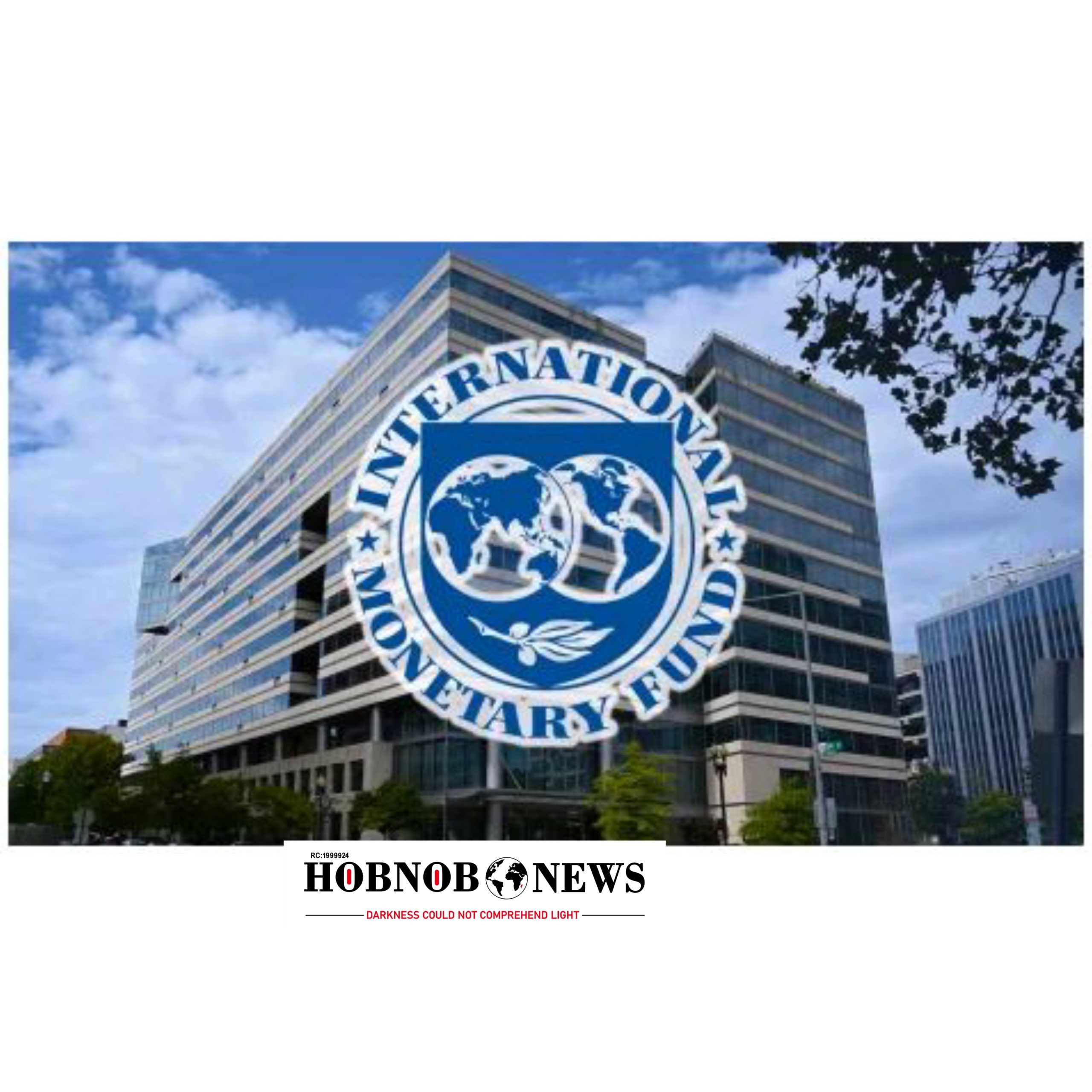
The International Monetary Fund (IMF) has issued an unusual apology over recent remarks on Nigeria’s economic reforms, following a strong response from Nigerian officials at the Spring Meetings in Washington, DC. The apology came after Senator Jimoh Ibrahim confronted the IMF’s Managing Director, Kristalina Georgieva, over what he described as unsubstantiated and negative comments on Nigeria’s economy.
During a session of the World Bank Parliament, where the IMF was also present, Senator Ibrahim challenged Georgieva on comments attributed to the IMF regarding the federal government’s economic reforms. The IMF had raised concerns over the impact of these reforms on the country’s poor, a statement Ibrahim viewed as both damaging and unsupported by data.
“Madam IMF, in recent weeks, the IMF has criticised the Nigerian reform programmes with negative comments that lack supporting data,” the senator said. “Do you believe this is fair? Is it appropriate for the IMF to make untruthful comments about the domestic economy?”
Senator Ibrahim questioned whether the IMF had the jurisdiction to pass such judgement, and pressed for clarity on what President Tinubu had done wrong since taking office in 2023. He argued that the international body should acknowledge Nigeria’s progress rather than undermine it with generalised assessments. “Is the IMF the entity managing the economy?” he asked pointedly.
Ibrahim further emphasised that the government’s reform measures—including improvements in tariff regulations, better cash flow management relative to GDP, revenue-to-GDP enhancements, and consistent debt repayment—demonstrated responsible economic leadership worthy of global support, not criticism.
In response, Kristalina Georgieva extended a clear and direct apology. “We shall be mindful of our comments on Nigeria from now on. We are your IMF; we are sorry again,” she said. Her words marked a rare moment of diplomatic concession from the Fund, one that signified a more conciliatory tone going forward.
Senator Ibrahim accepted the apology on behalf of Nigeria, thanking the IMF’s Managing Director for her honesty and willingness to reconsider the Fund’s approach to communicating about the Nigerian economy.
The IMF, through other senior officials, also moved to soften its stance in subsequent briefings. Julie Kozack, the Director of the IMF’s Communications Department, acknowledged the challenging economic conditions many Nigerians face. She stressed that the IMF’s intentions were not to undermine the reforms, but rather to highlight the importance of complementing them with social protection measures.
“We do recognise the extremely difficult situation that many Nigerians face,” Kozack said. “For that reason, I just want to emphasise that completing the rollout of cash transfers to vulnerable households is an important priority for Nigeria, as is improving revenue mobilisation domestically.”
She pointed out that the cash transfer programme was a crucial step in supporting those hit hardest by economic shifts, and called on the federal government to expedite its completion as part of an inclusive recovery effort.
The IMF’s apology and subsequent comments indicate a shift in tone and reflect an effort to rebuild trust with Nigerian stakeholders. Rather than persisting with a rigid critique, the Fund has now pledged to be more thoughtful and supportive in its communications about Nigeria’s economic path.
This diplomatic moment between the IMF and Nigeria highlights the importance of balanced international commentary, especially in an era when economic narratives can shape investor confidence and policy momentum. The Fund’s decision to acknowledge its misstep and recommit to constructive engagement was welcomed as a step in the right direction for future cooperation.

