

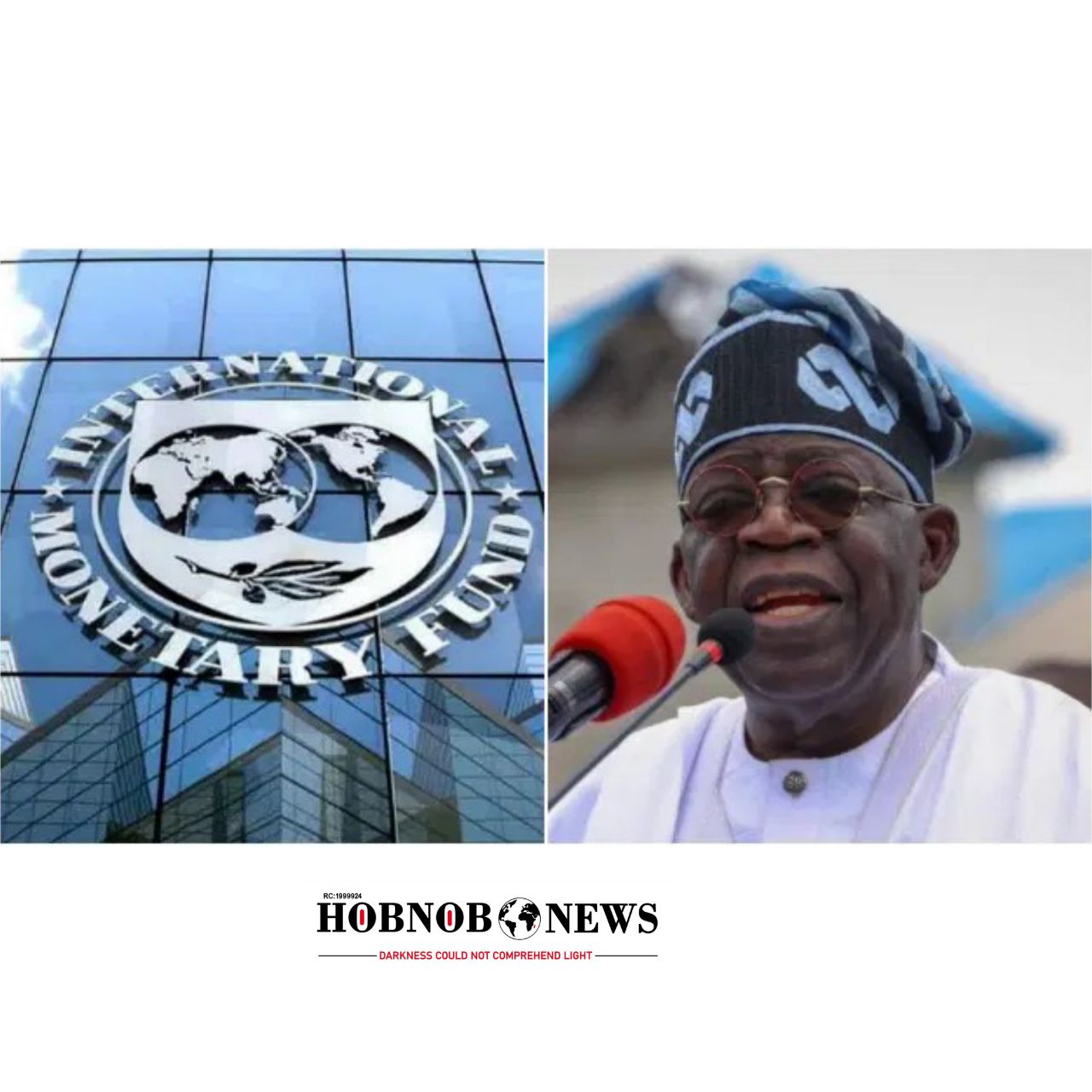
The International Monetary Fund (IMF) has expressed that Nigeria is still facing considerable uncertainty in its economic future, despite a series of significant reforms.
During its 2025 Article IV Consultations with Nigeria’s policymakers, IMF’s team, led by Axel Schimmelpfennig, the mission chief for Nigeria, acknowledged that the country had taken crucial steps to stabilize the economy, enhance resilience, and encourage growth. These reforms, according to the IMF, have improved Nigeria’s position to handle the external challenges it faces.
However, the IMF emphasized that the country’s macroeconomic outlook remains highly uncertain. They pointed out that the risks stemming from global factors, such as heightened global risk sentiment and lower oil prices, are likely to impact the Nigerian economy. Despite the progress, the IMF stated that the benefits of these reforms have not reached all Nigerians, with poverty and food insecurity still prevalent.
As a result, the IMF team recommended that Nigeria’s macroeconomic policies should focus on strengthening the country’s resilience, reducing inflation, and fostering private sector-led growth. They highlighted the need for further progress to ensure that all Nigerians benefit from the country’s economic stabilization.
The final consultation report pointed out the important steps Nigeria has taken to stabilize its economy, enhance resilience, and support growth. It noted that the central bank had ceased financing the fiscal deficit, fuel subsidies had been removed, and improvements were made to the foreign exchange market. However, it also emphasized that despite these reforms, challenges persist, with high levels of poverty and food insecurity.
The report stated, “The outlook is marked by significant uncertainty. Elevated global risk sentiment and lower oil prices impact the Nigerian economy.” The IMF further acknowledged that while Nigeria’s reforms since 2023 have put the economy in a better position to manage external pressures, there is still much work to be done.
Looking forward, the IMF suggested that macroeconomic policies should continue to strengthen economic buffers and resilience, while creating conditions that enable private sector-driven growth. The IMF also noted that the Nigerian authorities had communicated plans to implement the 2025 budget in response to declining oil prices. A neutral fiscal stance, they added, would support monetary policies aimed at reducing inflation.
The IMF emphasized that fiscal savings from the fuel subsidy removal should be directed to the budget, especially to protect key investments that foster growth. The team also urged accelerating the delivery of cash transfers to help alleviate food insecurity.
Finally, the IMF stressed the importance of a tight monetary policy to control inflation. The Monetary Policy Committee’s data-driven approach has served Nigeria well and should continue to help navigate ongoing economic challenges. As the report concluded, “Announcing a disinflation path to serve as an intermediate target can help anchor inflation expectations.”

