

The Nigeria Centre for Disease Control and Prevention (NCDC) has reported a significant rise in the death toll from Lassa fever, with 127 confirmed fatalities as of April 6, 2025. This was disclosed in the agency’s latest situation report released on Tuesday.
According to the report, a total of 674 cases tested positive for the deadly virus out of 4,025 suspected cases recorded across 18 states and 93 local government areas from January to early April. The current Case Fatality Rate (CFR) now stands at 18.8%, showing a slight uptick from the previously reported 18.5%.
The outbreak has remained largely concentrated in three states — Ondo, Bauchi, and Edo — which together account for 71% of the total confirmed cases. Ondo State leads with 30%, followed by Bauchi with 25%, and Edo with 16%. The remaining 28% of cases are distributed across 15 other states, signaling a widespread but concentrated public health concern.
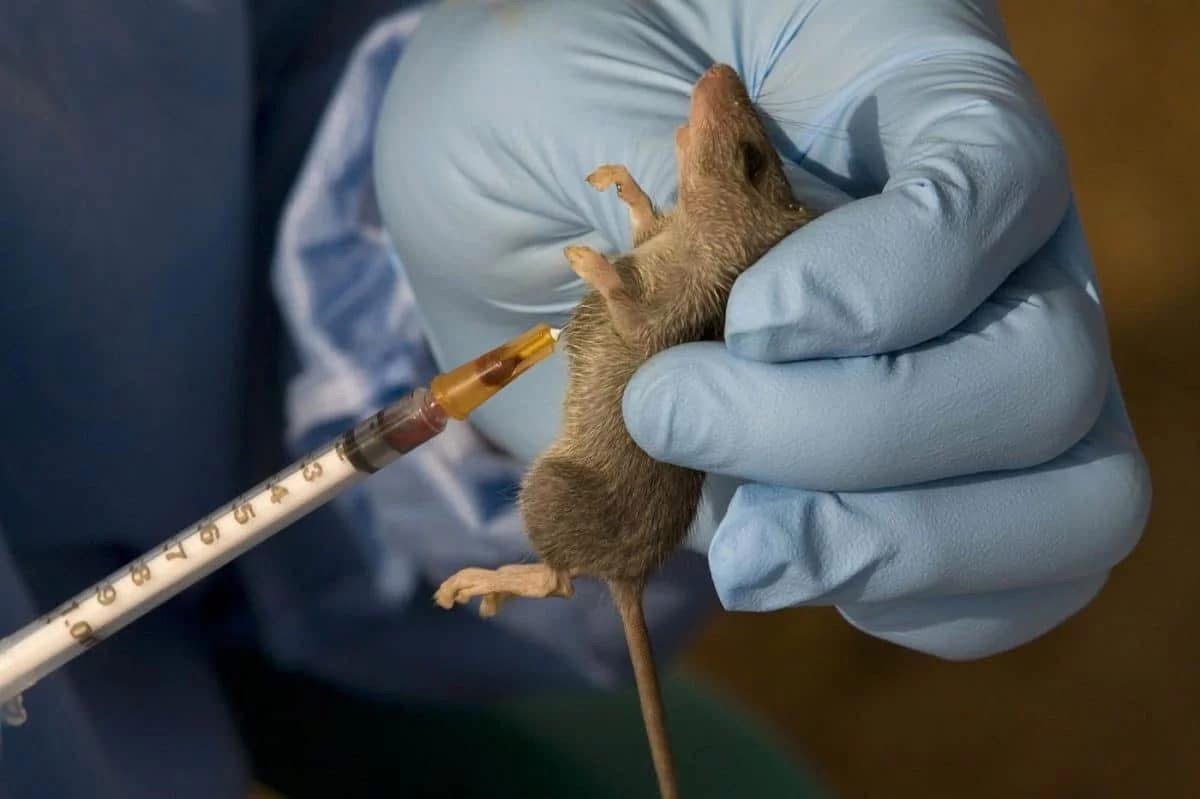
Lassa fever, an acute viral hemorrhagic illness, is primarily transmitted to humans through exposure to food or household items contaminated by infected rodents, particularly the multimammate rat, commonly referred to as the African rat.
The NCDC report noted a slight increase in new confirmed cases during the reporting period, rising from 14 in epidemiological week 13 to 15 in week 14. The new cases were documented in six states: Ondo, Bauchi, Edo, Taraba, Ebonyi, and Gombe.
In response to the growing outbreak, the NCDC has activated the National Lassa Fever Multi-Partner, Multi-sectoral Incident Management System to ensure a coordinated national response across all levels of government and health sectors.
Despite the growing number of cases, the NCDC confirmed that no new infections were recorded among healthcare workers during the latest reporting week — a welcome development given the high-risk nature of their frontline duties.
Public health officials are urging communities to remain vigilant and practice preventive measures, including proper food storage, rodent control, and immediate medical attention for symptoms such as fever, headache, and vomiting.
The NCDC has reassured Nigerians of its continued efforts to monitor, contain, and ultimately curb the spread of the disease through early detection, treatment, and community engagement.

