
In response to the ongoing debates surrounding the alleged increase in electricity tariffs, the Nigerian Electricity Regulatory Commission (NERC) has introduced comprehensive regulations outlining the procedures for tariff reviews. This development comes amid widespread public concern over potential hikes in electricity costs.
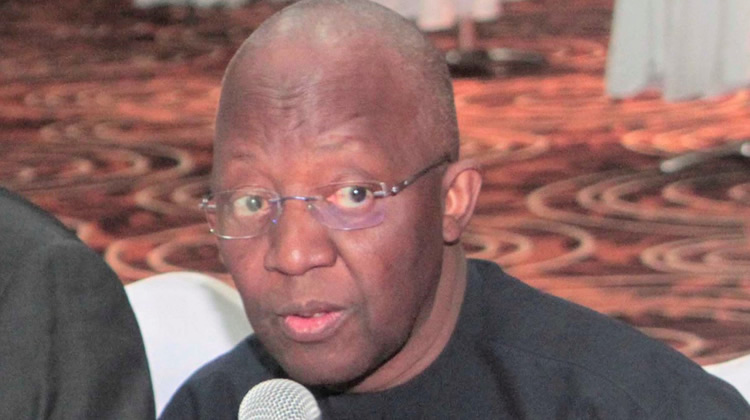
The newly released order, signed by NERC Chairman Sanusi Garba, emphasizes the commission’s statutory duty under the Electricity Act 2023 to ensure the approval of fair tariffs. These tariffs are designed to enable licensees to recover reasonable costs while ensuring a fair return on capital invested in the provision of electricity services.
According to the regulations, Section 116(1) of the Electricity Act mandates that all activities related to electricity generation, transmission, distribution, trading, supply, system operation, and franchising are subject to tariff regulation. Furthermore, Section 116(2) empowers the commission to establish a tariff methodology that allows efficiently operating licensees to recover full operational costs alongside a reasonable return on investments.
In line with these provisions, NERC has adopted the Multi-Year Tariff Order (MYTO) Methodology. This incentive-based price regulation framework is essential for determining and projecting tariffs within the Nigerian Electricity Supply Industry (NESI). The MYTO methodology provides for a comprehensive review of electricity tariffs every five years, during which all underlying assumptions are reassessed to maintain the industry’s viability and efficiency.
As part of the process, NERC will issue a notice to all licensees one year before a major tariff review. This notice will request the submission of applications for tariff adjustments, supported by necessary documentation such as audited financial statements, budgets, investment plans aligned with Performance Improvement Plans (PIPs), and evidence of extensive customer consultations within the licensees’ service areas.
“The commission shall publish this notice in three national dailies and on its official website,” the regulation states. Licensees will have 120 days from the date of the notice to submit their applications. NERC will then conduct an initial review of the applications, followed by the development of a consultation paper within 90 days of the submission deadline.
The consultation paper will outline the basis for the tariff review applications, including proposed capital investments, service improvements, new connections, loss reductions, and adjustments to tariff assumptions. It will also highlight the potential impact on customer rates. This document will be published on the commission’s website, and public notices will be issued to solicit feedback from stakeholders within a 21-day period.
NERC will review all stakeholder comments and schedule a Rate Case Hearing within 90 days of publishing the consultation paper. The commission will then consider and approve a Major Tariff Review Order within 30 days following the hearing.
Licensees whose tariffs have been reviewed are required to communicate the outcomes to their customers through their websites and other communication channels.
For minor or monthly reviews, NERC will adjust prevailing end-user tariffs to reflect changes in factors such as generation fuel costs, inflation rates in Nigeria and the United States, exchange rate fluctuations between the naira and the U.S. dollar, and average generation availability compared to the previous month. The commission reserves the right to conduct minor reviews at shorter intervals, but no longer than six months.
In related developments, the Special Adviser to President Bola Tinubu on Energy, Olu Verheijen, disclosed that an electricity tariff review is imminent in the coming months. Verheijen highlighted that the current N200 billion monthly electricity subsidy disproportionately benefits the wealthiest 25 percent of Nigerians, leaving lower-income households underserved.
“The Federal Government is working towards a targeted subsidy system to ensure that low-income households receive the most support. This approach will make electricity more affordable and accessible for millions of hardworking families,” Verheijen stated.
The new guidelines and forthcoming subsidy reforms underscore the government’s commitment to balancing cost recovery for electricity providers with affordability and accessibility for Nigerian consumers. As the process unfolds, stakeholders and the general public will have opportunities to engage and provide feedback, ensuring that the tariff review process remains transparent and equitable.

