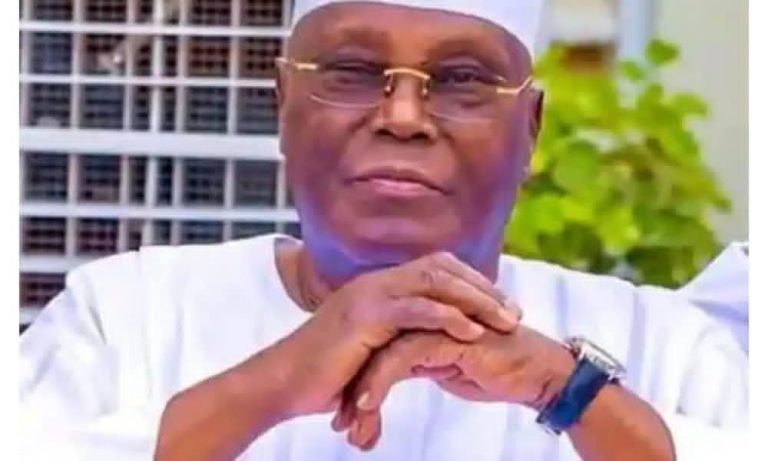
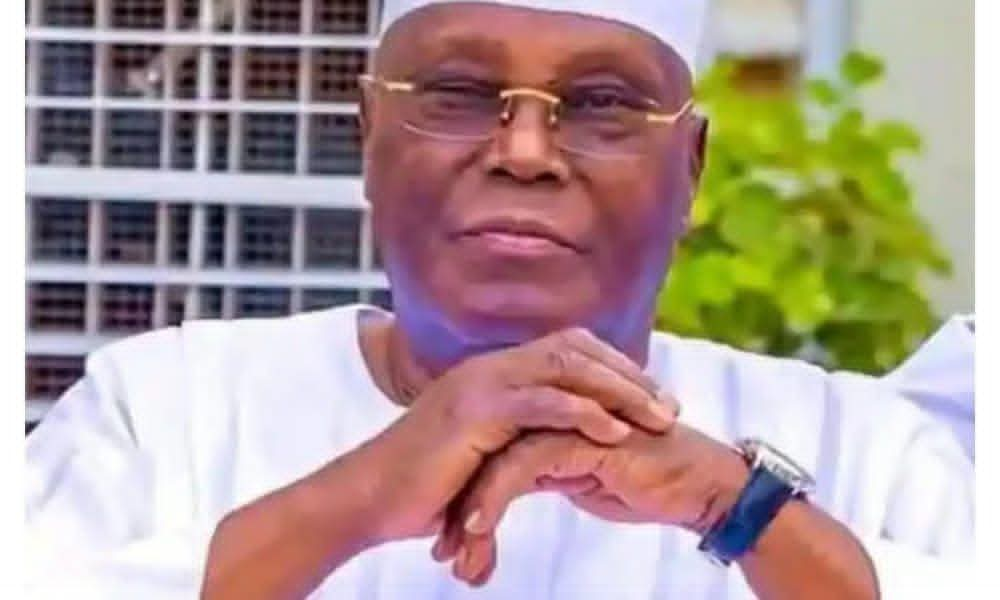
The Presidency has taken a swipe at former Vice President Atiku Abubakar over his persistent calls for the restoration of fuel subsidy, describing him as “Mr Subsidy” amid the debate over the Federal Government’s petroleum pricing policy.
President Bola Tinubu’s Special Adviser on Information and Strategy, Bayo Onanuga, made the remark while reacting to a video shared by an X user, @jamari01, who argued that petrol is relatively cheaper in Nigeria than in some neighbouring African countries.
Onanuga, in a post on X, urged Atiku to watch the video, describing its creator as a patriotic Nigerian who had highlighted the economic implications of restoring fuel subsidy.
He wrote: “I hope Mr Subsidy, former VP Atiku Abubakar, will spare some moments to watch this video, the handiwork of a patriotic Nigerian.”
The exchange comes amid renewed political arguments over the removal of fuel subsidy by President Tinubu, who announced the policy during his inauguration on May 29, 2023.
Since the announcement, the decision has remained a major subject of public debate, with opposition figures, including Atiku, repeatedly urging the Federal Government to reconsider the policy in view of the economic hardship experienced by Nigerians.
Atiku has consistently argued that the removal of subsidy has worsened the financial difficulties of ordinary citizens. Before his candidacy as the African Democratic Congress (ADC) presidential flag bearer was nullified, he had also pledged to restore fuel subsidy if elected president in 2027.
However, the video that triggered Onanuga’s reaction presented a different argument, suggesting that Nigeria’s petrol prices remain lower than those of neighbouring countries, creating incentives for cross-border smuggling.
The X user cited estimated petrol prices of about N1,350 per litre in Nigeria, N1,690 in Togo and over N2,000 in Cameroon.
According to him, the price differences allow smugglers to purchase petrol in Nigeria and transport it across the borders for resale at higher prices, generating substantial profits.
He explained that a person buying petrol at N1,350 per litre and selling it in Togo at N1,690 could make a profit of N340 per litre.
Using a 25-litre jerrycan as an example, he estimated a profit of N8,500, while a tanker carrying 33,000 litres could potentially generate about N11 million from the price difference.
The user further argued that such activities demonstrate the economic challenges associated with restoring fuel subsidy, particularly the possibility of increased smuggling and the diversion of subsidised petroleum products to neighbouring countries.
He maintained that Nigerians should consider these implications before supporting calls for the return of the subsidy regime.
“No one who genuinely wishes Nigeria well would want the fuel subsidy to return,” he said.
The exchange has further highlighted the political divide between the Tinubu administration and opposition figures over the management of Nigeria’s petroleum sector.
While the Presidency continues to defend the removal of fuel subsidy, critics insist that the government must introduce more effective economic relief measures to cushion the impact of rising transportation, food and living costs on Nigerians.
With the 2027 general elections approaching, the fuel subsidy debate is expected to remain a major political issue, particularly as opposition leaders and the ruling administration continue to advance competing arguments over the country’s economic direction.
About The Author