By Stephen Numbeve
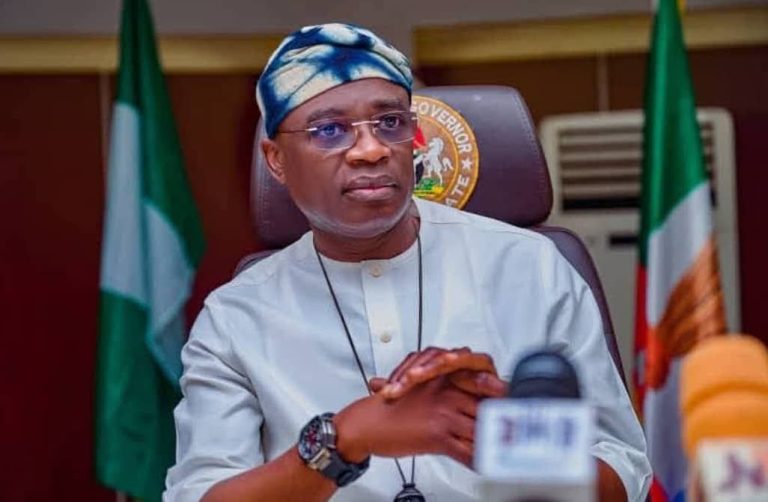
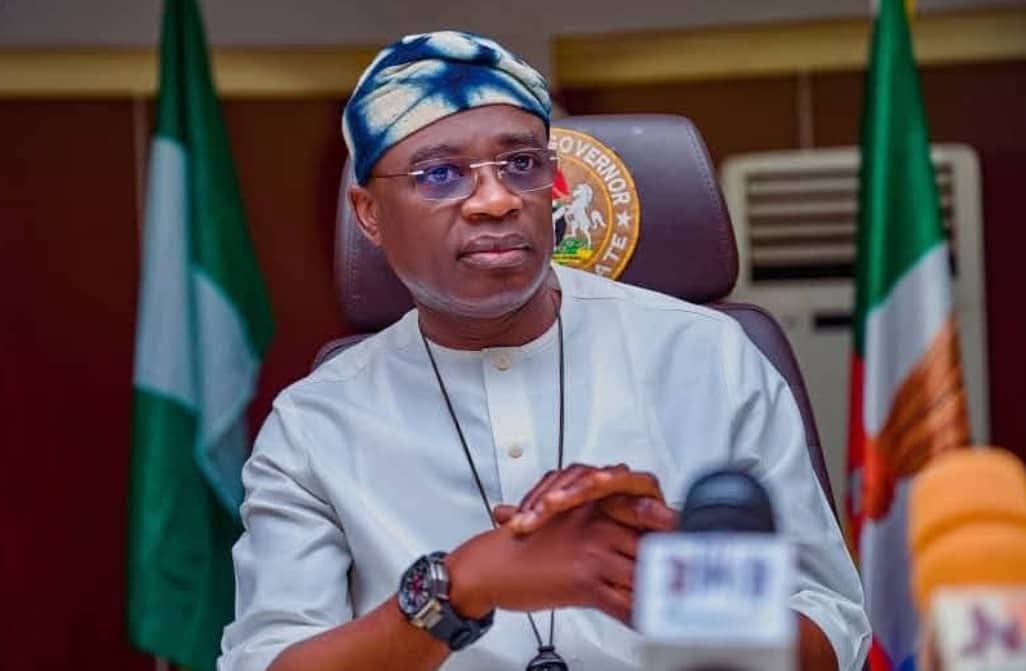
As Benue State charts its course toward the 2027 governorship election, one fundamental question should guide our collective conscience, “What truly serves Benue’s best interests?” The answer, in my view, is unambiguous! Continuity, stability, and the consolidation of transformative reforms initiated by Governor Hyacinth Iormem Alia.
Governance transcends the fleeting passions of political rivalry. It is fundamentally about assessing performance and determining whether developmental momentum deserves preservation. Governor Alia has demonstrated the vision, determination, and commitment necessary to reposition Benue State for sustainable prosperity.
No administration is flawless, and Governor Alia’s is no exception. Yet fairness demands that we do not dismiss remarkable achievements simply to satisfy political appetites. Those who genuinely love Benue must prioritize the state’s long-term development over personal ambitions and partisan calculations.
Governor Alia assumed office facing a daunting array of challenges. Prolonged salary and pension arrears, widespread insecurity, crumbling infrastructure, economic stagnation, and eroded public trust. Rather than surrender to these difficulties, his administration launched comprehensive reforms to rebuild Benue’s institutional and economic foundations.
The administration’s signature achievement lies in its dual commitment to both urban and rural advancement.
Over 500 kilometers of premium-quality roads have been constructed with distinctive engineering excellence, including the first-ever underpasses in Makurdi and Gboko, infrastructure milestones previously unknown in Benue State. Rural connectivity initiatives have transformed farming communities’ access to markets, directly stimulating agricultural commerce and economic activity across hinterland regions.
The restoration of the Benue State Secretariat, built under former Governor Aper Aku but left deteriorating, stands as a reflection to the administration’s commitment to institutional dignity and functionality.
Recognizing agriculture as Benue’s economic lifeblood, the administration has implemented transformative support structures! Enhanced access to quality farm inputs and mechanization programmes, Irrigation development initiatives, Agro-processing enterprise support, Comprehensive farmer empowerment schemes.
The Rural Access and Agricultural Marketing Project (RAAMP): A Game-Changer
Under the stewardship of the State Project Coordinator, RAAMP has emerged as a catalyst for rural transformation, delivering measurable results. More than 140 culverts and bridges constructed across the state. Dramatically reduced post-harvest losses. Enhanced market connectivity for smallholder farmers.
Community investment and economic revitalization, deliberately done to reclaim Nigeria’s Food Basket.
Few achievements resonate more powerfully than fiscal responsibility. Governor Alia’s unwavering commitment to prompt and regular payment of salaries, pensions, and gratuities has restored dignity to the civil service and renewed public confidence in government.
A defining characteristic of this administration is its deliberate integration of competent young professionals into strategic governance roles. This unprecedented embrace of merit-based youth inclusion signals that innovation, excellence, and dedication remain valued in Benue’s public service, inspiring a generation often alienated from governance.
In economic transformation, the Benue Investment and Property Company (BIPC) stepped in slowly with its deliberate revival
Perhaps the administration’s boldest economic intervention has been the comprehensive revitalization of BIPC under Dr. Raymond Asemakaha’s management. Orange concentrate production restored to operational status.Taraku Mills positioned for imminent production restart. Emerging manufacturing enterprises including nail production, bread manufacturing, and bottled water facilities.
A diversified investment portfolio encompassing housing, transportation, and industrial production. These are not mere projects; they represent employment opportunities, wealth creation, and catalysts for private-sector engagement and economic diversification. If sustained, they could fundamentally reshape Benue’s economic destiny for generations.
Benue Links Transportation Company
Rescued from the brink of liquidation, the company has been revitalized through the acquisition of 100 new buses, restoring public confidence while simultaneously improving transportation services across the state.
Educational Renaissance.
The transformation of Benue’s educational landscape is remarkable! 9,700 new teachers recruited and deployed across the public primary school system. Ultra-modern, multi-storey educational facilities architectural firsts for Benue State. Establishment of the University of Agriculture and Science Technology at Ihugh, Vandeikya, Moses Orshio Adasu University satellite campus in Kwande Local Government Area with another to be done in Zone C aimed at expanding access to tertiary education across the three senatorial districts in the state.
Healthcare Excellence is not left out.The University Teaching Hospital is a shining star.
The University Teaching Hospital now operates with cutting-edge medical facilities, making complex medical procedures accessible to patients across Benue and neighbouring states.
Addressing Complex Challenges
While insecurity remains multifaceted and persistent, the administration continues to demonstrate commitment through enhanced collaboration with security agencies. Community-based security initiatives.
Operational support for surveillance and intelligence. Strategic advocacy for state policing and other innovative security solutions.
Governor Alia’s administration has distinguished itself through genuine consultation with traditional rulers, religious leaders, labour unions, youth organizations, women’s groups, professional bodies, and development partners. This inclusive governance architecture has strengthened institutional legitimacy and fostered collective ownership of public policies.
As we approach another defining election, every patriotic Benue citizen must pause and reflect. If a government is visibly transforming infrastructure, reviving industries, expanding education, strengthening healthcare, and restoring confidence in governance, should such a government be replaced simply because another election has come?
Should Benue interrupt reforms that are already producing measurable results before they reach full maturity? Can those calling for change sincerely point to a superior blueprint backed by evidence rather than political rhetoric? If salaries and pensions are now being paid more regularly than before, should workers and retirees gamble with an administration that has restored hope?
If abandoned government enterprises are gradually returning to life, why should the recovery process be halted halfway?
Who benefits when ongoing development projects are abandoned or slowed because of political transitions? Can anyone honestly deny the visible transformation taking place in roads, schools, hospitals, industries, and public institutions across the state? Are critics evaluating Governor Alia’s administration based on verifiable facts, or are they driven by political interests and personal ambitions?
If investors are beginning to see Benue as an emerging destination for investment, what signal would another abrupt policy shift send to the business community? Should politics be about satisfying individual ambitions, or should it be about securing the future of millions of Benue people? If insecurity remains a national challenge affecting many states, is it fair to blame every incident solely on the Governor while ignoring the constitutional roles of federal security institutions? How many previous administrations made comparable efforts to revive BIPC, Benue Links, and other state-owned enterprises? Would it be wise to uproot a tree that has only just begun to bear fruit? When history eventually judges this generation, will it remember that we voted based on facts, performance, and the future of our children, or that we allowed emotions, propaganda, and political sentiments to determine the destiny of our state?
These are uncomfortable questions, but they deserve sincere answers. The future of Benue should never be decided by noise, bitterness, or political theatrics. It should be determined by evidence, performance, competence, and the collective interest of the people.
For these compelling reasons, Benue citizens across all political affiliations deserve clarity. Governor Hyacinth Iormem Alia merits a second term. The reforms currently underway–industrialization, institutional strengthening, agricultural transformation, infrastructure expansion, and revenue modernization are long-term endeavours that require uninterrupted leadership for optimal results. Interrupting this momentum would compromise gains already recorded and delay the prosperity Benue seeks.
Benue’s progress and Governor Hyacinth Alia have become an unbreakable bond. Severing the administration’s leadership from ongoing reforms risks destabilizing the developmental trajectory carefully constructed since May 2023.
As citizens approach the 2027 choice, let us rise above political theatre and focus on documented performance, institutional strength, measurable development, and collective prosperity. Continuity under Governor Alia represents not merely stability; it represents accelerated development, deeper investor confidence, stronger institutions, expanded opportunities for young people, sustainable economic growth, and Benue’s continued emergence as one of Nigeria’s leading states.
Stephen Numbeve is a governance commentator specializing in public policy and rural development. He serves as the State Project Coordinator, RAAMP, Benue State.
About The Author