
The Kogi State Government has reiterated its commitment to resolving its lingering boundary disagreements with Edo State through dialogue and mutual understanding.
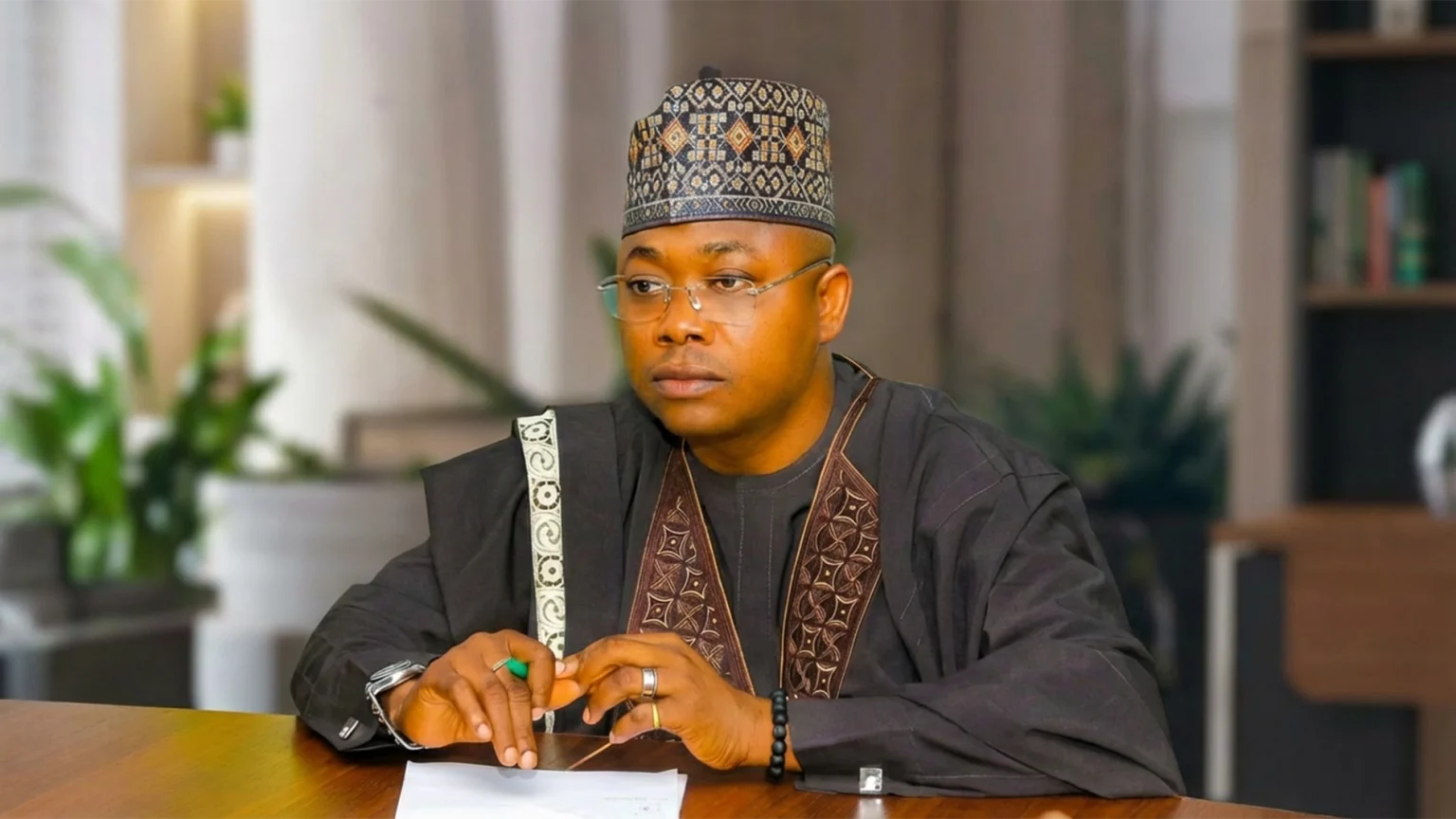
The Deputy Governor of Kogi State and Chairman of the State Boundary Committee, Comrade Joel Salifu, made this known on Thursday in Abuja during a joint meeting of officials of the Edo/Kogi Interstate Boundary Committee.
According to a statement by his Press Secretary, Unubi Emmanuel, the meeting — which had in attendance Edo State’s Deputy Governor, Dr. Dennis Idahosa, and other members of the Edo delegation — was convened by the National Boundary Commission as part of ongoing efforts to properly define and conclude the demarcation of the boundary between the two states.
Salifu commended the commission for organising the meeting at what he described as a crucial time. He noted that although the boundary had been a source of disputes in the past, both states are now determined to resolve all outstanding issues amicably.
He explained that previous attempts at demarcation were stalled due to unresolved matters and inadequate sensitisation of border communities. He stressed the need to revisit contentious areas and carry local communities along to secure their cooperation.
The deputy governor highlighted specific flashpoints, including the Ogori/Ekpedo and Okene/Okpella sectors, as well as Ake Island. He also urged the commission to swiftly address rising tensions in border communities such as Ibaji in Kogi and Uloshi in Esan South East Local Government Area of Edo, particularly over disputes concerning farmland ownership.
Salifu called for the creation of an inclusive demarcation team that would involve traditional rulers and other key stakeholders. He also appealed to the commission to permit both states to establish sensitisation committees to ensure the delimitation process proceeds peacefully.
He added that Kogi’s participation underscores the commitment of Governor Alhaji Ahmed Usman Ododo’s administration to peaceful dispute resolution, stronger inter-state collaboration, and support for federal efforts aimed at promoting clarity, stability, and harmony along state boundaries.
About The Author